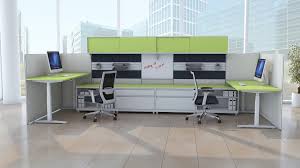
Beyond Paint and Fabric: Textures in Furniture Furnishing
Business 0 CommentsWarning: Trying to access array offset on value of type null in /home/17007052/domain/public_html/wp-content/themes/simple-east/content.php on line 37
Beyond Paint and Fabric: Textures in Furniture Furnishing
When it comes to furniture furnishing, textures are a powerful yet often overlooked element that can greatly influence the overall aesthetic and feel of a space. While paint and fabric play significant roles, incorporating a variety of textures into furniture design can add depth, tactile appeal, and visual interest. This article explores the importance of textures in office furniture supplier furnishing and how they can elevate the design of interiors.
The Multisensory Experience
Furniture isn’t just about appearances; it engages our senses in multiple ways. Textures add a tactile dimension, inviting us to touch, feel, and connect with the pieces in our surroundings. From the cool smoothness of marble to the warmth of distressed wood, textures create a multisensory experience that contributes to the ambiance of a space.
Enhancing Visual Depth
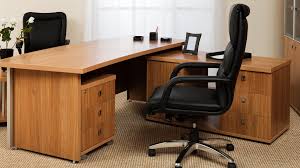
Textures introduce layers of visual depth, breaking up the monotony that can arise from uniform surfaces. A room filled with only smooth and flat surfaces may lack visual interest. Introducing textures, whether through natural materials like stone or by incorporating textured wallpapers, can bring depth to walls, furniture, and decor items.
Contrast and Balance
Incorporating a mix of textures allows for the creation of contrast and balance within a space. Combining rough with smooth, glossy with matte, or coarse with soft textures can make a room more visually dynamic. This contrast helps certain elements stand out while maintaining a harmonious overall composition.
Texture as Focal Points
Texture can be used strategically to create focal points in a room. An intricately textured accent wall, a uniquely textured piece of furniture, or even textured art can draw the eye and become a centerpiece, sparking conversations and setting the tone for the space.
Creating Atmosphere
Textures play a significant role in setting the mood and atmosphere of a room. Natural textures like wood, stone, and woven fibers can evoke a sense of warmth, grounding, and connection to nature. On the other hand, sleek and polished textures like glass or metal can convey a modern and sophisticated ambiance.
Textures in Different Styles
Different design styles can benefit from specific textures that align with their aesthetics. For example:
- Rustic and Farmhouse: These styles thrive on textured elements like distressed wood, burlap, and aged metals to create a cozy, lived-in feel.
- Industrial: Industrial design often incorporates raw textures like exposed brick, concrete, and unfinished metals, embracing the beauty of imperfections.
- Minimalist: Minimalist spaces use textures sparingly but purposefully. Smooth surfaces like glass or polished metal can be juxtaposed with a single textured element to make a statement.
- Bohemian: Bohemian style loves mixing textures freely. Layers of fabrics, rugs, cushions, and woven items add richness and a sense of relaxed comfort.
Incorporating Textures
There are various ways to introduce textures into furniture furnishing:
- Furniture Surfaces: Opt for furniture with textured surfaces like distressed wood, carved details, or brushed metal finishes.
- Textured Fabrics: Beyond the usual upholstery, consider fabrics with raised patterns, nubby textures, or intricate weaves.
- Rugs and Carpets: Different pile heights and patterns in rugs can introduce tactile variety to floors.
- Wall Treatments: Textured wallpapers, faux finishes, or even accent panels can add texture to walls.
- Decor Items: Incorporate textured decor items like woven baskets, ceramic pottery, or sculptures.
Conclusion
Texture is a potent tool in furniture furnishing, offering an opportunity to engage multiple senses and enhance the visual appeal of a space. By thoughtfully incorporating a diverse range of textures, designers and homeowners can create environments that are not only visually captivating but also deeply sensory and inviting. So, the next time you’re considering a furniture furnishing project, remember that the magic lies not just in the colors and shapes, but also in the textures that bring your space to life.
Warning: Trying to access array offset on value of type null in /home/17007052/domain/public_html/wp-content/themes/simple-east/content.php on line 74